In California, code enforcement is a certifiable profession. Officers can earn that credential through the California Association of Code Enforcement Officers (CACEO) Code Academy, a three-module sequence that carries them from constitutional fundamentals through the most complex enforcement tools available to a public agency.
Serviam Managing Partner Curtis Wright teaches many of the legal aspect courses. He instructs at Module One, Module Two, and Module Three academies held throughout the state, covering Fourth Amendment law and property ownership at the foundational level, warrants and testimony at the intermediate level, and receiverships, cannabis enforcement, the Public Records Act, and cost recovery at the advanced level.
Code Enforcement Expertise That Is Taught, Not Just Claimed
There is a meaningful difference between an attorney who has read the law and an attorney trusted to teach it to the officers who enforce it. Teaching the academy curriculum requires command of the material at a level that survives questions from a room full of practitioners who will apply it in the field.
That role also keeps Serviam close to the profession it serves. The questions officers raise in the classroom are the same issues that later surface in administrative hearings, cost recovery disputes, and civil rights litigation. When a city or county retains Serviam, it retains counsel who trained a substantial share of California’s certified code enforcement officers in the exact legal issues at stake.
Module One: Foundations of Code Enforcement
Module One is the entry point to certification. Curtis teaches five topics covering the most foundational and essential legal areas in code enforcement:
- Administrative Law Processes—the legal frameworks that govern enforcement decisions and ensure due process.
- Fourth Amendment and Warrants—search and seizure law and how it applies in the field.
- Fourth Amendment and Due Process—constitutional protections and their practical implications for officers.
- Understanding Property Ownership and Identifying Responsible Parties—the tools to track down accountability.
- Case Preparation and Administration—documenting, organizing, and presenting airtight enforcement cases.
Module Two: Intermediate Code Enforcement
Module Two is where officers begin building cases that hold up from the field to the courtroom. Curtis teaches three topics covering some of the most critical legal skills in the profession:
- Testimony and Hearings—preparing officers to deliver clear, credible testimony that holds up at administrative and judicial hearings.
- Warrants and Warrant Writing—the legal standards and drafting skills needed to secure inspection and abatement warrants that hold up in court.
- Administrative, Civil, and Criminal Cases—how enforcement actions move through each track, and how to choose the right path for the violation.
Module Three: Advanced Code Enforcement Practices
Module Three addresses the most difficult properties and the most complex legal questions officers face. Curtis teaches four topics:
- Receiverships and Advanced Tools—navigating the legal mechanisms to address the most challenging properties.
- Cannabis Laws and Enforcement—the evolving regulatory landscape and how to enforce it effectively.
- Public Records Act—transparency, compliance, and proper records management.
- Cost Recovery—strategies to recover costs and hold violators accountable.
Why Agencies Should Care About the CODE Academy
For city managers, city attorneys, county counsel, and enforcement supervisors, the academies are more than a professional development line item. Certification is how a department builds officers who document violations defensibly, obtain warrants correctly, testify credibly, and recover costs rather than absorbing them. Training at the front end reduces exposure at the back end.
Serviam’s attorneys regularly volunteer by teaching classes and speaking at conferences throughout California on receiverships, nuisance abatement, code enforcement, and liability/police defense. The firm has developed unique and cutting-edge solutions to achieve success for clients in cost-effective ways.
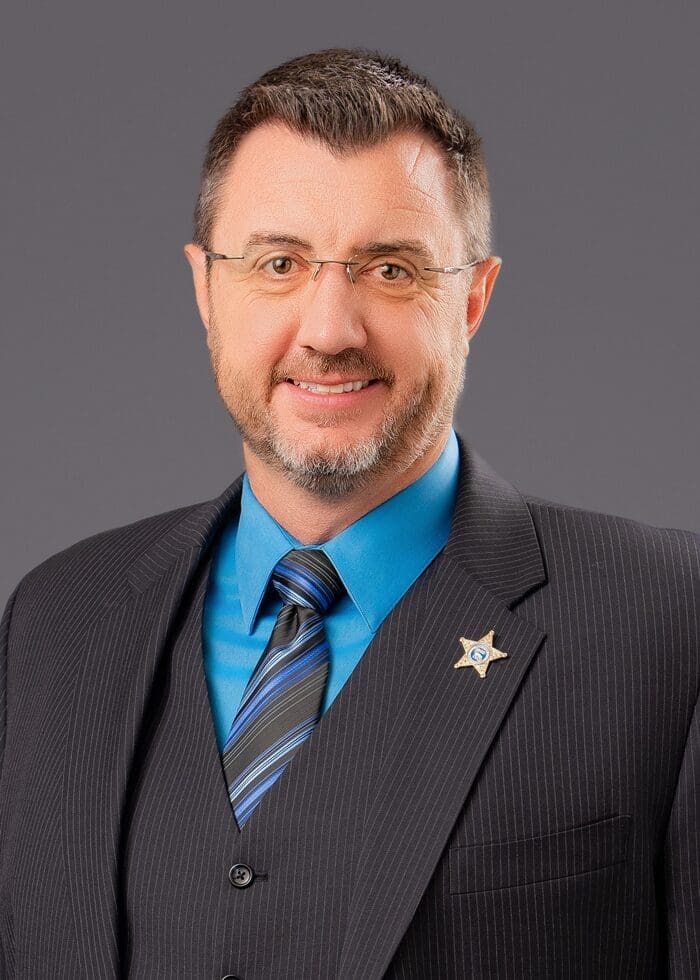
“With extensive expertise in nuisance abatement, municipal prosecution, receiverships, and code enforcement litigation, I am committed to advancing the profession by educating both new and experienced code enforcement officers. My involvement in the academy reinforces Serviam by Wright LLP’s dedication to supporting municipalities and professionals in maintaining compliance and community safety.” Curtis Wright, Managing Partner, Serviam by Wright LLP
What This Means for Public Agencies
Agencies building or rebuilding a code enforcement program should treat the CACEO certification path as part of their risk management strategy. Departments whose officers have completed all three modules bring stronger cases, face fewer procedural challenges, and stand on better ground when an enforcement action is contested.
You may contact Curtis Wright regarding questions pertaining to code enforcement legal aspects at Wright@Serviam.Law. For more details about the CACEO academies, visit www.caceo.us.