
Ray Wang
Post-Bar Lawyer
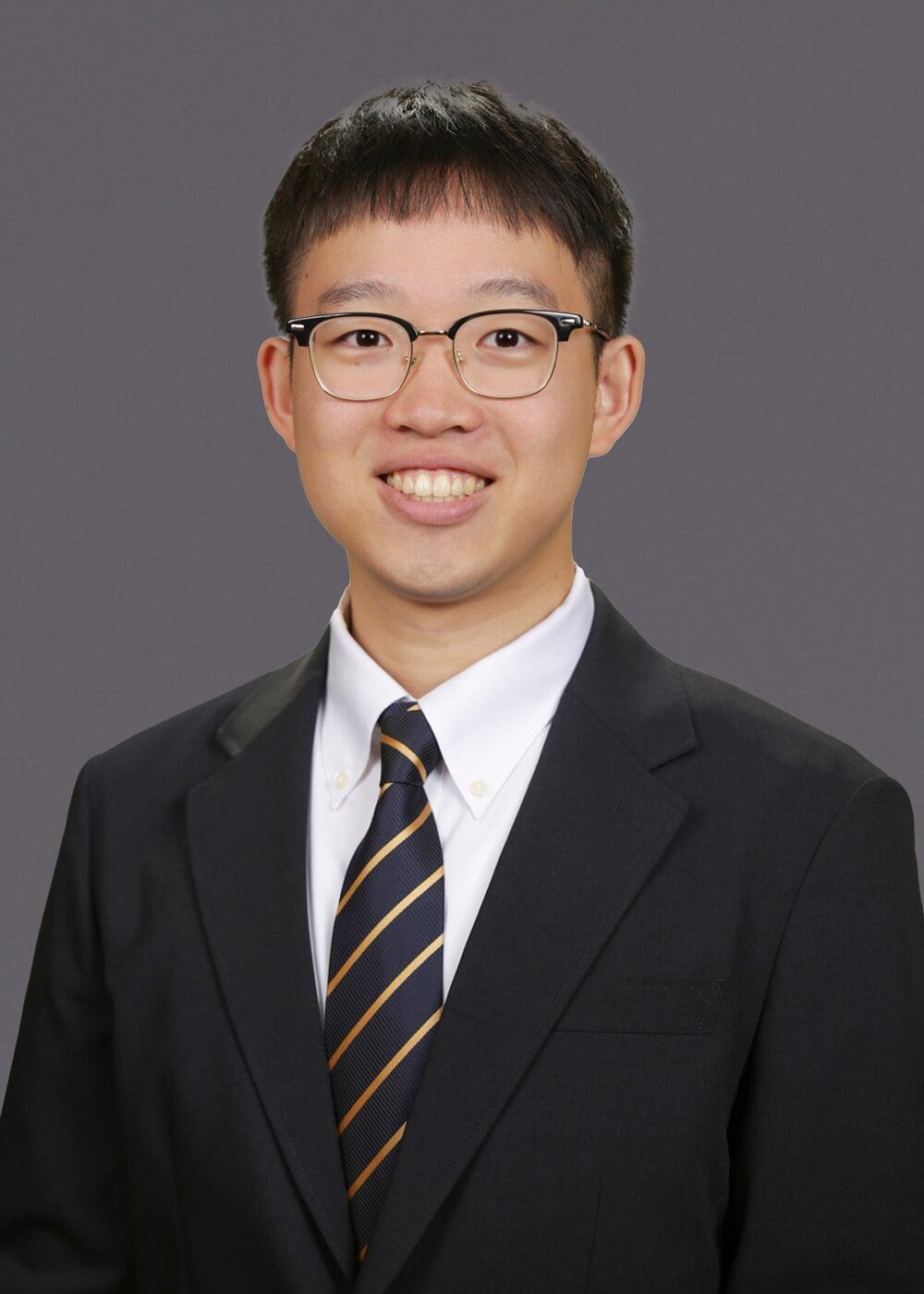
Ray Wang is a lawyer at Serviam by Wright LLP. Mr. Wang was born and raised in Taiwan, where he received his undergraduate degree of law at Soochow University. During his undergraduate time, he served as the Chief Coordinator for Soochow University Legal Clinic. In that role, Ray provided legal advice based on the facts presented and provided further recommendations on procedural issues and processes.
After graduating from Soochow University, Ray received his LL.M. degree at the University of California, Davis, School of Law. While in his time in UC Davis, he was the President of Advanced Legal Scholars Association, which is a student organization of high academic achievers.
Ray is currently pursuing Juris Doctorate degree at American University, Washington College of Law, where he is in his third year of study. During his time in D.C., he is a staffer for the American University Intellectual Property Brief, and a Student Attorney for the American University Intellectual Property Clinic.
Outside of his academic and professional life, Ray enjoys cooking and photography.
EDUCATION
- Undergraduate Degree of Law, Soochow University
- LL.M., University of California, Davis, School of Law
Contact Info
Serviam by Wright LLP
3 Corporate Park
Suite 100
Irvine, California 92606
RELATED ARTICLES AND CASES
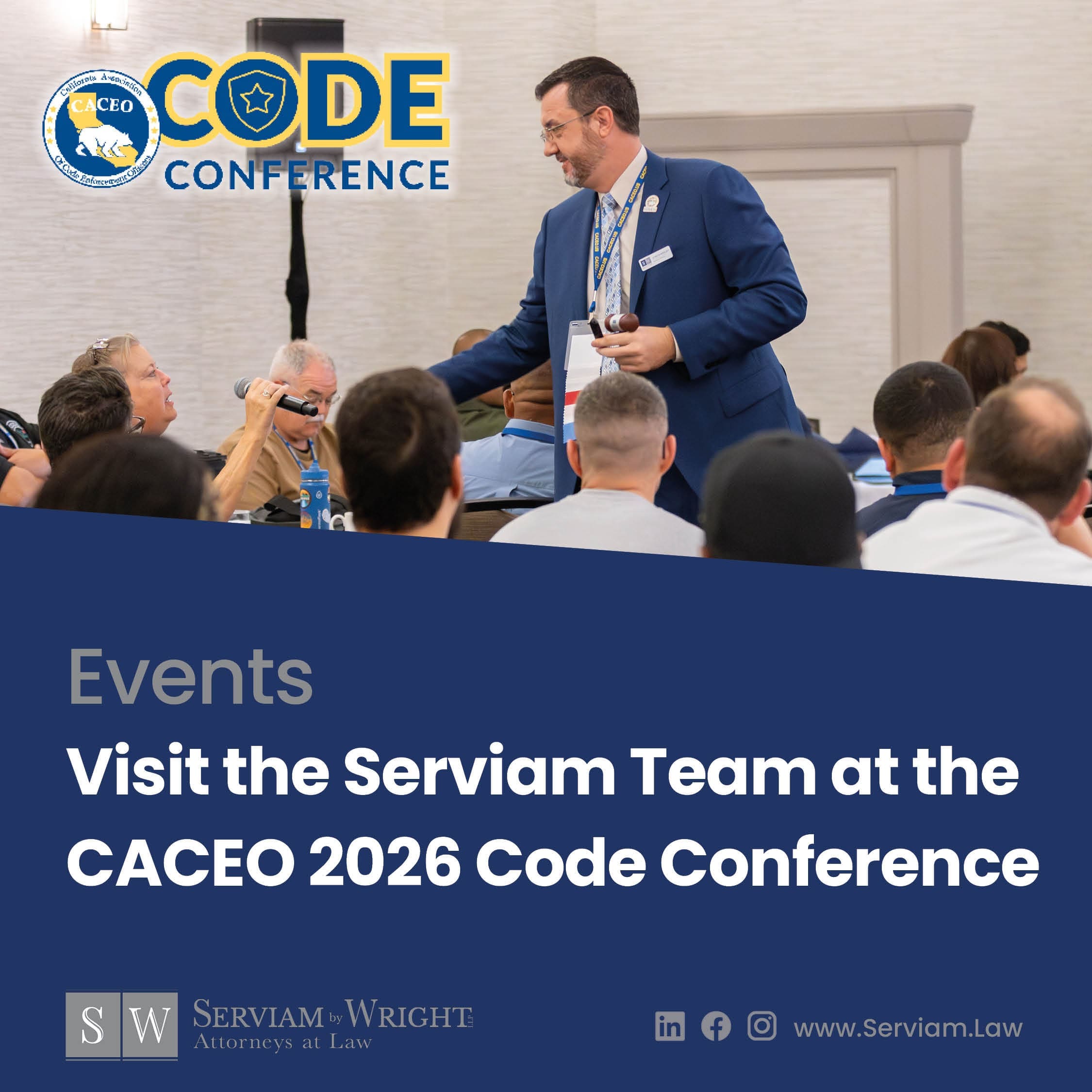
Serviam at CACEO 2026 Code Conference: Practical Legal Strategies for California’s Code Enforcement Professionals
Meet Serviam at the CACEO 2026 Code Conference in Universal City. Join Curtis Wright’s three breakout sessions and enter to win a Premium Bose speaker!

Serviam as Court-Appointed Receiver Restores a Hazardous Rural Property
As court-appointed receiver, Serviam secured funding, cleared an obstructed nuisance property, rebuilt the home, and sold it under court supervision.

When Routine Administrative Hearings Become Anything But Routine
Even routine administrative hearings can raise unexpected due process, evidentiary, credibility, and procedural issues for California public agencies.