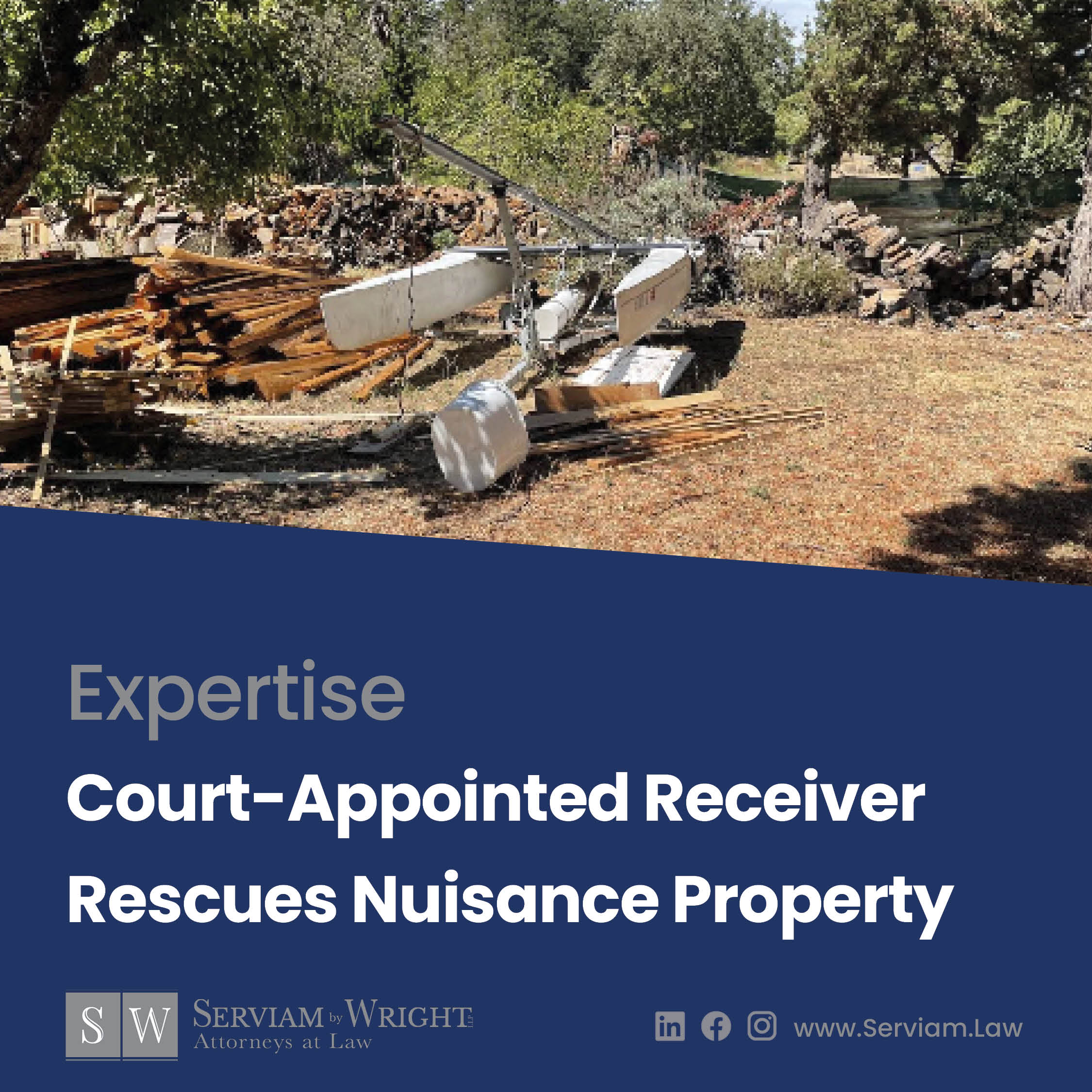
Abandoned, inoperable, and illegally parked vehicles—including recreational vehicles (RVs)—are among the most persistent and visible nuisance challenges facing California cities and counties. They reduce property values, create fire and environmental hazards, obstruct traffic, attract vermin, and generate a constant stream of community complaints. When those vehicles are occupied, the enforcement calculus becomes even more complex, requiring agencies to balance public safety obligations against constitutional protections and humanitarian considerations.
California’s Vehicle Code provides a range of statutory tools for vehicle abatement, from prohibitions on abandonment and authority for removal, to enabling statutes that allow cities and counties to adopt their own local abatement ordinances with tailored notice, hearing, and cost-recovery procedures. But the framework is layered across multiple code sections—and the procedural requirements are exacting. A missed notice, an insufficient warrant application, or an inconsistent enforcement practice can expose an agency to liability and delay the very abatement it is trying to accomplish.
vehicle and rv abatement: The Scope of the Problem
Vehicle and RV abatement is not simply a parking issue. Abandoned and inoperable vehicles—particularly RVs—can present serious public health and environmental hazards: leaking fluids that contaminate soil and stormwater systems, accumulated waste that attracts rodents and insects, deteriorating propane and electrical systems that create fire risk, and in more extreme cases, hazardous materials requiring specialized cleanup. These conditions affect neighboring properties, businesses, and the broader community.
The challenge is compounded by California’s housing and homelessness crisis. Agencies frequently encounter vehicles that are simultaneously in violation of multiple code provisions and occupied by individuals with no alternative housing. Following the U.S. Supreme Court’s decision in City of Grants Pass v. Johnson (2024) 603 U.S. 520, municipalities have broader latitude to enforce camping and encampment regulations. But the towing or destruction of an occupied vehicle remains a seizure under the Fourth Amendment, and agencies that move too quickly—or without proper documentation—risk both legal liability and public backlash.
Why Vehicle Abatement Is More Complicated Than It Looks
Public agencies often underestimate the legal complexity of vehicle abatement. What appears to be a straightforward tow can implicate multiple Vehicle Code sections, local municipal code requirements, Fourth Amendment warrant protections, due process obligations, and—where occupied vehicles are involved—intersecting state and federal constitutional considerations.
The Vehicle Code establishes specific procedures for different categories of vehicles and different circumstances. The rules for removing an abandoned vehicle from a public highway are not the same as the rules for abating an inoperable vehicle on private property. The notice requirements differ. The timeline differs. The documentation requirements differ. And the consequences of getting it wrong—from Section 1983 civil rights claims to post-storage hearing liability—can be significant.
Some of the most common issues we see agencies encounter include:
- Initiating abatement without verifying that the correct statutory authority applies to the specific vehicle, location, and circumstances.
- Failing to obtain an abatement warrant before entering private property—even when prior notice has been given to the owner. California case law is clear that notice alone is not sufficient.
- Inconsistent enforcement practices that create equal protection vulnerabilities or undermine the agency’s credibility in administrative hearings.
- Inadequate documentation that leaves the agency unable to defend its actions in a post-storage hearing or litigation.
- Enforcing oversized-vehicle or RV parking ordinances without ensuring that the underlying restrictions are tied to legitimate health, safety, or welfare objectives and that required signage is in place.
- Removing occupied vehicles without coordinating with outreach services or providing constitutionally adequate notice, creating both legal exposure and humanitarian concerns.
Each of these issues is avoidable with the right legal framework and procedures in place. But the details matter—and the consequences of procedural missteps can be costly.

What Effective Vehicle Abatement Programs Look Like
The agencies that run the most effective vehicle abatement programs share several characteristics. They have local ordinances that are current, comprehensive, and aligned with the Vehicle Code. Their staff are trained on the specific statutory and constitutional requirements that apply to each type of enforcement action. They use progressive enforcement—moving from warnings to citations to towing in a documented, defensible sequence. They coordinate enforcement with outreach for occupied vehicles. And they work with legal counsel proactively, not just when a problem arises.
Effective programs also treat documentation as a core enforcement tool—not an afterthought. Every observation, notice, communication, and enforcement action is recorded and retained. This documentation serves as the agency’s primary defense in administrative hearings, post-storage proceedings, and any subsequent litigation.
Finally, effective agencies stay current. The California Legislature continues to consider bills that would modify the vehicle abatement framework—including proposals to expand disposal authority for abandoned RVs and streamline emergency abatement of hazardous vehicles. Agencies that monitor these developments and update their codes and training accordingly are best positioned to take advantage of new tools as they become available.
How Serviam Can Help
Serviam assists cities, counties, and public agencies across California with every stage of vehicle and RV abatement. Our team has deep experience in the specific Vehicle Code provisions, constitutional requirements, and case law that govern this area—and we understand the operational realities that code enforcement officers and city staff navigate every day.
We work with agencies to:
- Draft and update local vehicle abatement ordinances to ensure they are current, legally defensible, and aligned with the Vehicle Code framework.
- Prepare abatement warrant applications that meet the procedural requirements established by California courts.
- Represent agencies in administrative hearings and post-storage proceedings.
- Develop enforcement strategies for occupied vehicles and RVs that address the legal, constitutional, and humanitarian dimensions of these cases.
- Train code enforcement officers, parking enforcement personnel, and law enforcement on proper procedures and documentation practices.
- Advise on oversized-vehicle and RV parking ordinances, including drafting, signage requirements, and defensible enforcement protocols.
Whether your agency is responding to a single problem property or building a comprehensive vehicle abatement program from the ground up, Serviam provides the legal expertise and practical experience to help you protect your community while managing risk.